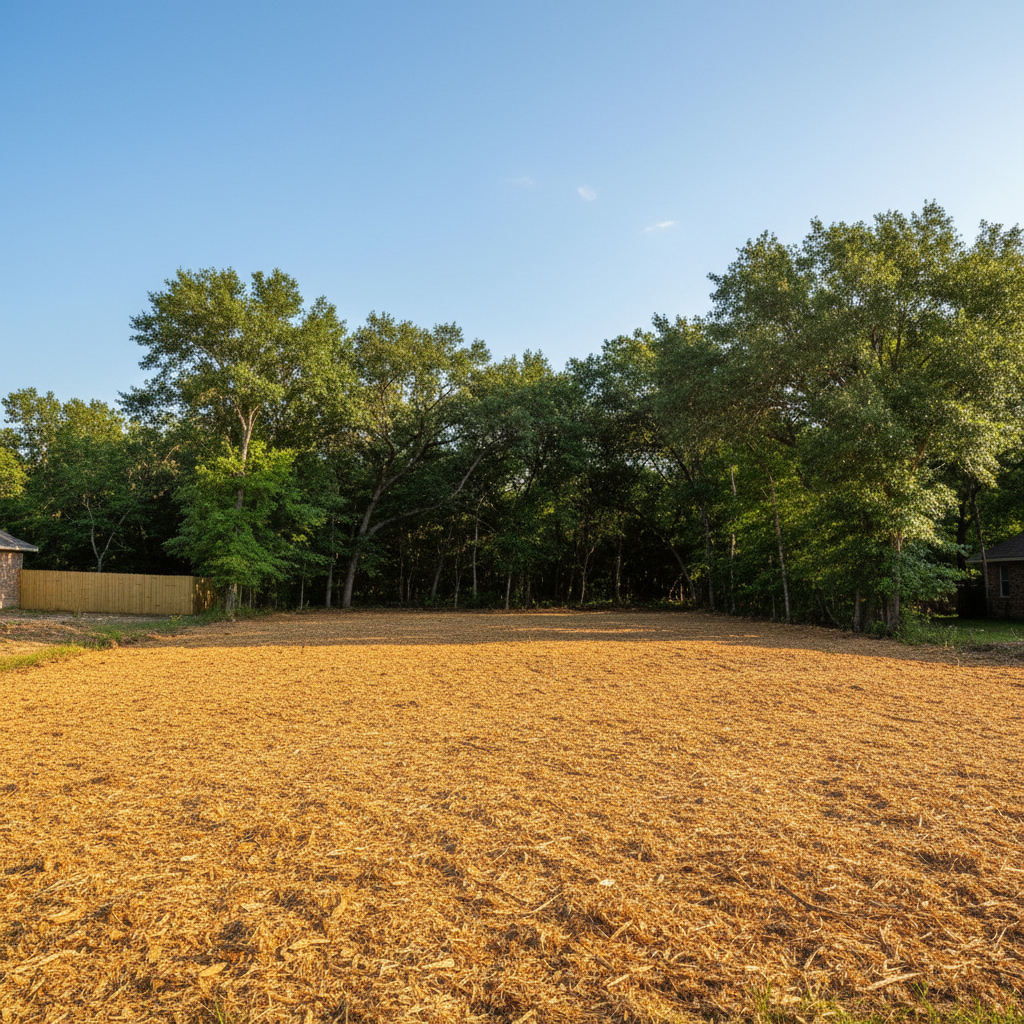
So, you've got some land – maybe you're making your yard bigger, putting in a new shed, or just trying to reclaim a spot that's gotten a bit wild. Lot clearing sounds pretty straightforward, right? Just get rid of the trees and brush. But I've seen folks right here in Converse make some really big mistakes. These usually end up costing them way more time and money than they ever expected. As a local business owner, I want to help you steer clear of those kinds of headaches.
Ignoring Local Rules and Permits
This is probably the biggest one, and it's where a lot of people stumble. You can't just clear everything off your property without checking first. Converse, just like most other cities, has rules about what you can and can't remove, especially when we're talking about trees. Are there protected trees on your land? Is your property in an area with specific environmental overlays? You might need a permit for tree removal, or even just for significantly disturbing the land. If you skip getting the right permits, you could face some hefty fines. Or, even worse, you might be forced to replant everything you just cleared. It's truly not worth the risk. Always check with the city's planning department first. A good contractor, like us at Pacific Tree, will usually bring this up, but ultimately, it's your responsibility as the landowner.
Underestimating the Job's Size
Some people look at a patch of brush and think, “Oh, I can just rent a chainsaw and a chipper for a weekend.” Then they get out there and realize they're dealing with decades of growth, deep root systems, and maybe even some old construction debris buried in the soil. What looked like a small job quickly turns into a massive undertaking. This often leads to incomplete work, a lot of frustration, or having to call in a professional halfway through – which can be more expensive than just hiring them from the start.
You also need to consider what's under the surface. Here in Converse, especially in areas with older development or former agricultural land, you might hit caliche rock or even old foundations. That's not something your average skid steer can handle. It needs specialized equipment and expertise. Don't just assume it's all dirt and small roots, okay?
Not Getting Multiple, Detailed Quotes
When you're getting quotes, don't just ask, “How much to clear this?” You need specifics. What exactly is included? Are they removing all the debris, or just piling it up? What about stump grinding or removal? Are they grading the land afterward? What's their timeline? I've seen homeowners go with the cheapest bid only to find out later that the contractor only planned to cut down trees and leave all the brush and stumps for them to deal with. That's not lot clearing; that's just tree felling, plain and simple.
A good bid will break down the costs, explain the process, and clearly state what's included and what's not. If a contractor gives you a vague price over the phone without even seeing the property? That's a huge red flag. You wouldn't buy a car without seeing it, so don't hire someone to clear your land sight unseen.
Ignoring Utility Lines and Property Boundaries
This seems like common sense, but you'd be surprised how often it happens. Before any heavy equipment starts moving, you absolutely need to know where your underground utilities are. Call 811 before you dig, every single time. It's free, and it can save you from cutting a gas line, power line, or internet cable. That's not just an inconvenience; it can be dangerous and incredibly expensive to repair.
Also, be crystal clear on your property lines. You definitely don't want to accidentally clear your neighbor's land or, worse, encroach on an easement. Get a survey if you're unsure. Trust me, a little preparation here can prevent a major dispute with your neighbors or the city.
Not Planning for What Comes Next
Okay, so the land is cleared. Now what? Many homeowners don't think past the actual clearing. What are you going to do with the newly cleared land? Is it going to sit bare and erode? Are you going to plant grass, build something, or just leave it? If you don't have a plan, you might end up with a muddy mess every time it rains, especially with our Texas soil. Good lot clearing often includes some basic grading to ensure proper drainage and prepare the site for its next use. Talk to your contractor about what comes next and make sure it's part of the overall plan.
Lot clearing is a big job, no doubt, but it doesn't have to be a nightmare. Do your homework, ask the right questions, and don't cut corners. It'll save you a lot of grief in the long run.