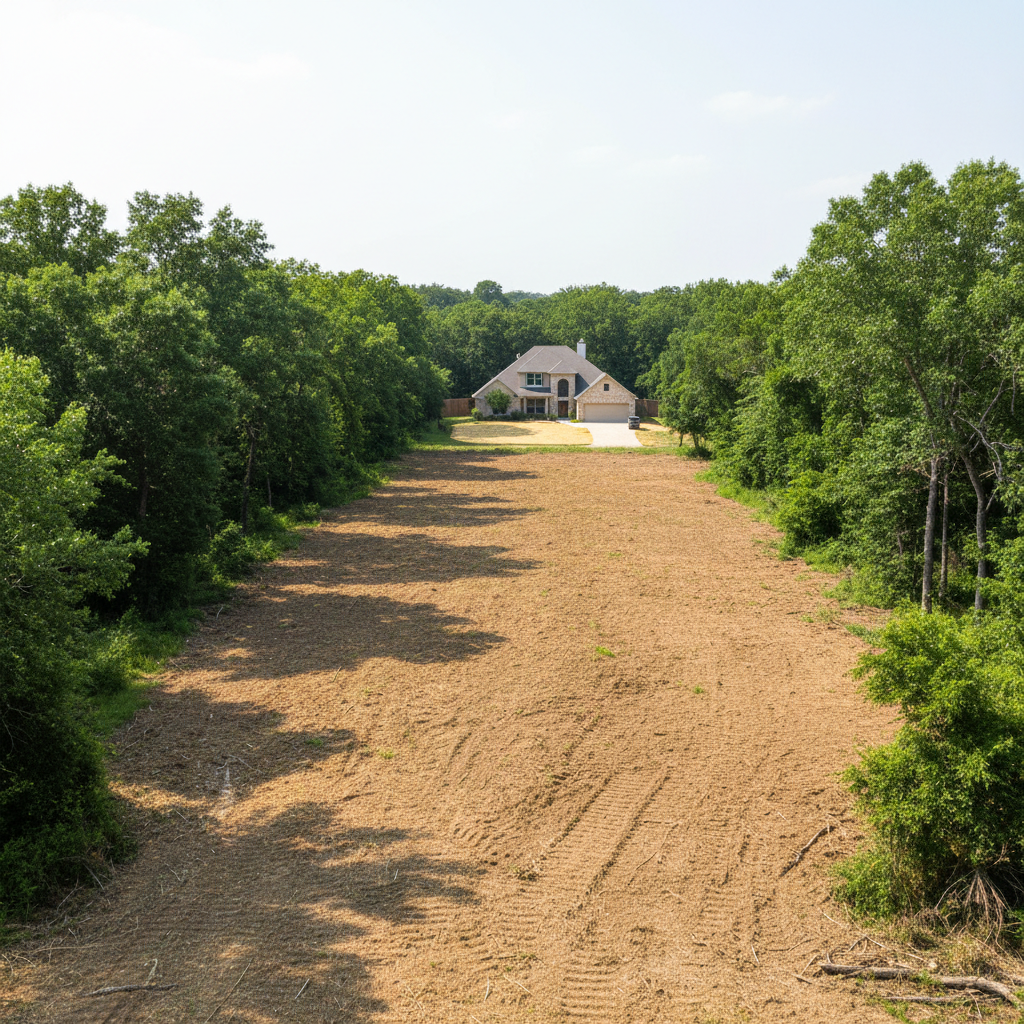
So, you've got a piece of land in Converse, maybe a new lot you bought or an overgrown section of your existing property, and you're ready to clear it. That's a big project, and it's not something you want to jump into without a plan. I've seen a lot of these jobs over the years, and I can tell you, good planning makes all the difference. Let's talk about what you need to know.
Understanding Your Lot Clearing Timeline
The first thing folks usually ask me is, “How long will this take?” The honest answer is, it depends. A small, relatively clear lot might be a few days, but a heavily wooded acre with a lot of brush and stumps? That could be a couple of weeks, or even more, especially if we hit some bad weather. Here's a general breakdown of what influences the timeline:
- Size of the Lot: Bigger lots, naturally, take longer.
- Density of Vegetation: Is it mostly grass and small saplings, or mature trees and thick underbrush?
- Type of Debris: Are we just clearing trees, or is there old fencing, concrete, or even abandoned structures?
- Permits: This is a big one. Depending on where your lot is and what you're clearing, you might need permits from the city or county. Don't skip this step; it can add weeks to your timeline if you wait.
- Weather: Rain, especially heavy stuff, can halt operations. Muddy conditions make it tough to get heavy equipment in and out, and it's just plain unsafe.
Start thinking about this early. If you're planning to build, you'll want the land cleared well before the foundation crew is scheduled to show up.
What to Expect During the Process
When you hire a professional team like us at Pacific Tree, you're getting more than just a guy with a chainsaw. Here’s a typical rundown of what happens:
- Initial Assessment & Quote: We'll come out, walk the property with you, discuss your goals, and give you a detailed estimate. This is where we figure out what equipment we'll need and how long it'll take.
- Permit Acquisition (if needed): We can often help guide you through this, but ultimately, the homeowner is responsible for securing necessary permits.
- Site Preparation: We'll mark out areas to be cleared, identify any trees to remain, and ensure utility lines are located and marked.
- Clearing & Grinding: This is the main event. We bring in the heavy machinery – excavators, bulldozers, mulchers, stump grinders. Trees are felled, brush is removed, and stumps are ground down. We're careful, but it's a noisy, dusty process.
- Debris Removal: All the cleared material needs to go somewhere. We'll chip smaller branches, haul away larger logs, and ensure the site is clean. Sometimes, we can even mulch some of the material on-site to use later for landscaping, depending on what you want.
- Final Grading (Optional): Once cleared, many folks want the land leveled or graded for drainage. We can often do this as part of the project.
It's going to look a bit like a war zone for a while, but trust the process. When we're done, you'll have a clean slate.
How to Prepare Your Property
Before any equipment shows up, there are a few things you can do to make things go smoother:
- Clear Personal Items: Move anything you don't want damaged – garden ornaments, tools, outdoor furniture, kids' toys.
- Mark What Stays: Clearly mark any trees, shrubs, or structures you absolutely want to keep. Bright ribbon or paint works well.
- Inform Neighbors: Let your neighbors know what's coming. It's going to be loud and dusty, and a heads-up goes a long way in keeping good relations.
- Secure Pets: Keep pets indoors or safely away from the work area.
- Access: Ensure there's clear access for large trucks and equipment. If your driveway is narrow or there are low-hanging branches on the approach, let us know beforehand.
Also, think about the soil. Here in Converse, especially in some of the older subdivisions around FM 78, we've got some pretty heavy clay soils. This can impact drainage once the trees are gone, so it's something to consider if you're planning future landscaping or construction.
Crucial Questions Before Signing a Contract
Don't just go with the first quote. Ask these questions:
- Are you licensed and insured? This is non-negotiable. You need to know they're covered if something goes wrong. Ask for proof.
- What's included in the quote? Is debris removal part of it, or is that extra? Stump grinding? Final grading? Get it all in writing.
- Do you handle permits, or is that my responsibility? Clarify this upfront.
- What's your plan for environmental impact? How do you dispose of debris? Do you try to minimize soil erosion?
- Can you provide references? Talk to other homeowners they've worked for.
- What's the payment schedule? A reputable company won't ask for 100% upfront.
- What's your estimated timeline, and what happens if there are delays? Understand how they communicate about unforeseen issues.
Choosing the right contractor for lot clearing isn't just about the lowest price; it's about getting the job done safely, efficiently, and correctly. Take your time, ask the tough questions, and you'll be much happier with the end result.