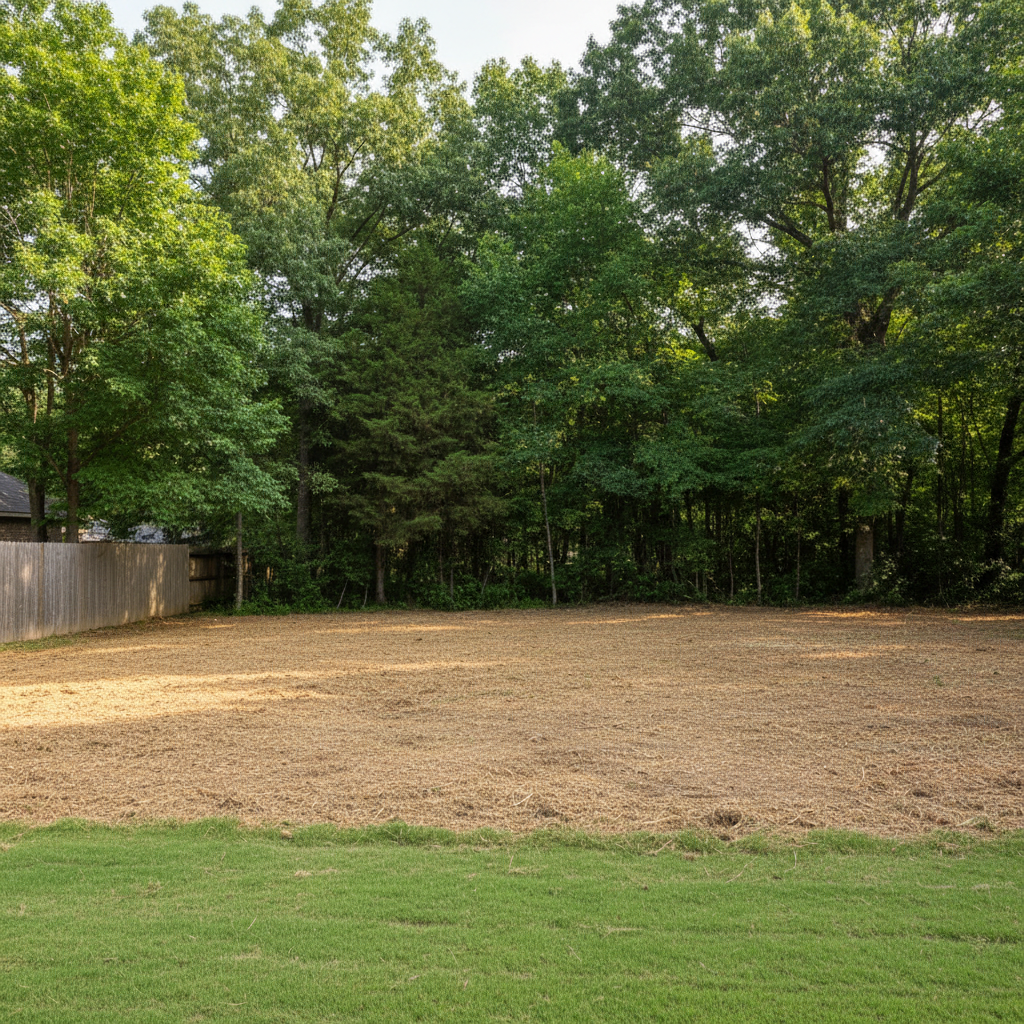
So, you've just had your land cleared. Maybe you're prepping for a new build, creating pasture, or just cleaning up an overgrown lot. Whatever the reason, that fresh, open space looks great, doesn't it? But here's the thing: nature doesn't just sit still. Especially here in Converse, with our hot, humid summers and occasional heavy rains, things can grow back fast if you don't keep an eye on them. You want to protect that investment, right? I've been doing this a long time with Pacific Tree, and I've seen what works and what doesn't.
Extending the Life of Your Land Clearing
The biggest mistake folks make after land clearing is thinking the job's done forever. It's not. It's more like getting a haircut – you look good for a while, but eventually, you need a trim. To really make that clearing last, you've got to think about what was there before and what you want to achieve.
- Root Removal Matters: If we just mulched or cut down trees and brush, those roots are still in the ground. Many native Texas plants, like mesquite and huisache, are incredibly resilient. They'll sprout back from the roots if not treated or removed. For long-term prevention, especially if you're planting grass or building, stump grinding or complete root removal is key.
- Consider Your Use: Are you building? Then erosion control is paramount. If it's a pasture, you'll be mowing. If it's just for aesthetics, regular brush cutting will be your friend. Your end goal dictates your maintenance strategy.
- Soil Health: Our clay soils here in Converse, like the ones common around the Olympia Hills area, can be tough. If you've had a lot of heavy equipment on the land, soil compaction can be an issue. Consider aerating or adding organic matter to improve drainage and encourage healthy growth of what you *do* want there.
Regular Maintenance: What You Need to Do
This is where you earn your keep. Consistent, proactive maintenance will save you a ton of headaches and money down the road. Waiting until things are completely overgrown again is like starting from scratch.
- Mowing and Brush Hogging: This is your primary weapon against regrowth. For smaller properties, a good riding mower might do the trick. For larger acreage, you'll need a brush hog. How often? It depends on the season and what's trying to grow back. During our peak growing seasons (spring and early fall after rains), you might need to mow every few weeks. In the dry summer, less often. The goal is to cut down young sprouts before they get established.
- Spot Treatment for Stubborn Weeds: Some plants, like Johnson grass or certain types of thistle, are just plain aggressive. You might need to use a targeted herbicide application. Always follow label directions carefully, and consider the impact on any desirable plants or water sources.
- Monitor for Invasive Species: Texas has its share of invasive plants that can take over quickly. Ligustrum, Chinese Tallow, and Giant Ragweed are common culprits. Learn to identify them and remove them promptly. They'll outcompete your native plants and desirable grasses.
- Drainage Checks: After heavy rains, walk your property. Are there new puddles forming? Is water pooling where it shouldn't? Cleared land can sometimes change drainage patterns. Addressing these early can prevent erosion and standing water issues.
Warning Signs of Problems
Don't wait until you've got a jungle again. There are clear signs that your maintenance efforts aren't quite cutting it, or that something else is going on.
- Rapid Regrowth: If you're seeing significant sprouts over a foot tall within a month or two of clearing, especially from the same species that were removed, you've got a problem. This often means the roots weren't properly addressed or your mowing isn't frequent enough.
- Erosion: Bare soil, especially on slopes, is vulnerable. Look for gullies forming, exposed tree roots, or soil washing away after rain. This is a serious issue that needs immediate attention to prevent further damage.
- New Pests or Diseases: Sometimes, clearing land can expose existing trees or plants to new stresses, making them vulnerable. Keep an eye out for unusual leaf discoloration, insect infestations, or dying branches on remaining trees.
- Unintended Plant Growth: Are undesirable plants taking over faster than expected? This could be a sign that your soil conditions are favoring them, or that seeds from nearby properties are constantly blowing in.
When to Call a Professional
Look, I'm all for DIY, but there are times when you need to bring in the experts. Knowing when to call us saves you time, money, and potential headaches.
- Large-Scale Regrowth: If your cleared area has become significantly re-vegetated, and your mower or brush hog just isn't cutting it anymore, it's time for a professional re-clearing. We have the heavy equipment to handle dense brush and larger saplings efficiently.
- Erosion Control: If you're seeing serious erosion, especially on sloped areas, a professional can assess the situation and recommend solutions like terracing, retaining walls, or specialized planting to stabilize the soil. This isn't a job for a weekend warrior.
- Stubborn Invasive Species: Some invasive plants are incredibly difficult to eradicate without specialized knowledge and equipment. If you've tried everything and they're still winning, we can develop a targeted removal and treatment plan.
- Hazardous Trees or Stumps: If you have large stumps that need grinding, or if there are any remaining trees that are dead, diseased, or pose a fall risk, please don't try to tackle them yourself. That's a job for trained professionals with the right gear.
- Before a New Project: If you're planning any significant construction or landscaping, it's always a good idea to have a professional assess the land clearing and maintenance needs to ensure a solid foundation for your project.
Maintaining cleared land isn't a one-and-done deal, especially in our Texas climate. It's an ongoing process, but with a little consistent effort, you can keep your property looking great and ready for whatever you have planned. Don't hesitate to reach out to Pacific Tree if you've got questions or need a hand. We're here to help folks in Converse keep their land in top shape.