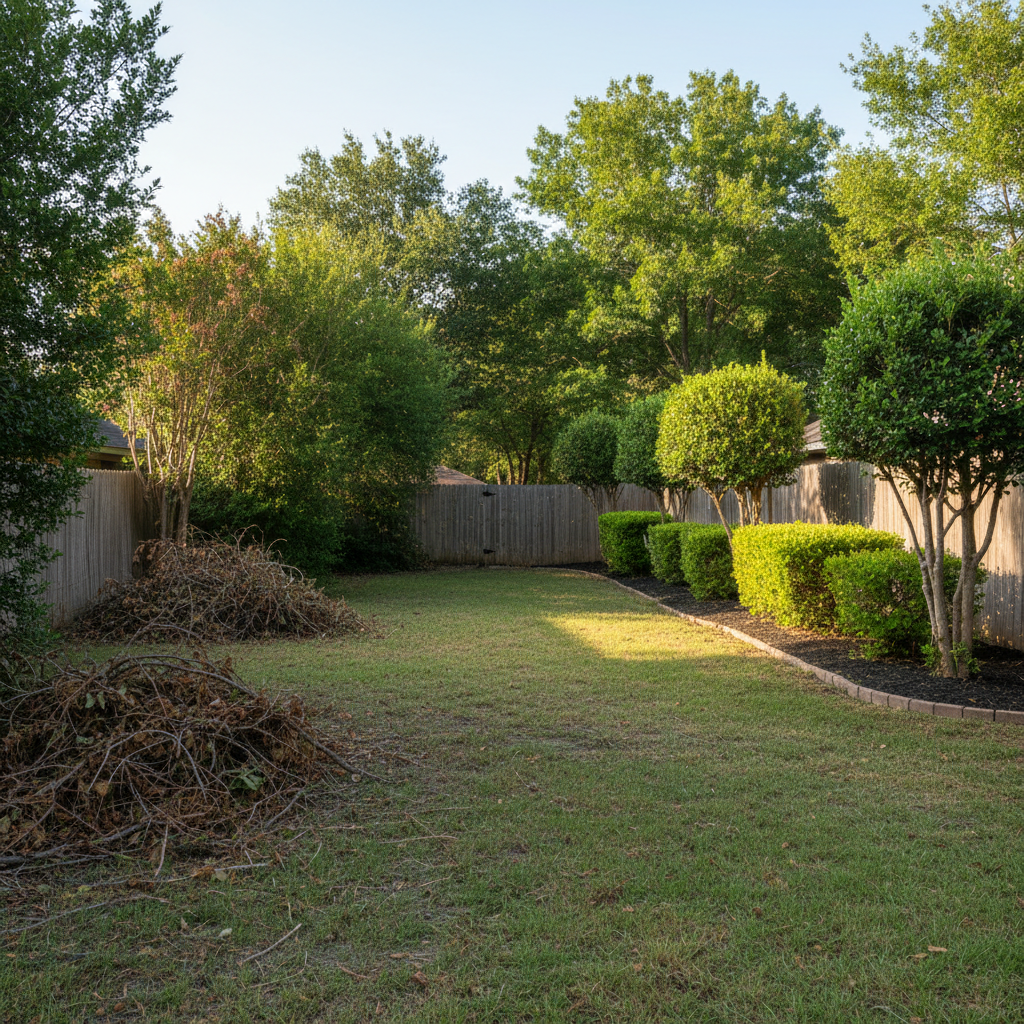
Alright, let's talk about keeping your shrubs and bushes looking good. You've got options when it comes to trimming, and honestly, a lot of folks just grab whatever's easiest or cheapest at the store without really thinking about the long-term. But there's a big difference between just cutting things back and actually shaping your plants for health and appearance. Here in Converse, with our hot summers and sometimes unpredictable freezes, how you trim really matters.
The Quick & Dirty: Power Shears
When I say power shears, I'm talking about those electric or gas-powered trimmers with long blades that move back and forth. You've probably seen them, maybe even own a pair. They're fast, no doubt about it. If you've got a long hedge or a bunch of shrubs that need a quick haircut, these things can save you a ton of time. You can zip right over the top and sides, and boom, you're done.
Cost: They're generally more expensive upfront than a good pair of hand pruners, but you can find decent electric ones for a reasonable price. Gas models cost more and need fuel and maintenance.
Durability: The machines themselves can last a while if you take care of them, but the cut they make on your plants isn't always the most durable. More on that in a minute.
Maintenance: You'll need to keep the blades sharp, clean them after use, and for gas models, deal with fuel, oil, and engine upkeep. Electric ones are simpler, but still need blade care.
Appearance: This is where shears often fall short. They give you that 'cookie-cutter' look. Everything's uniform, which some people like, but it can make your plants look a bit unnatural. More importantly, they tend to just cut the outer layer of leaves and branches, leaving a dense, green shell with a hollow interior. This can lead to problems.
The Finer Touch: Hand Pruners
Now, hand pruners. These are your bypass pruners, loppers, and even hand saws for thicker branches. This approach is all about making individual, thoughtful cuts. It takes more time, absolutely, but the results are usually far superior for the plant's health and long-term appearance.
Cost: A good quality pair of hand pruners or loppers will set you back less than power shears, usually. You can get a solid set of bypass pruners for $30-$50 that'll last you years.
Durability: The tools themselves are incredibly durable, often lasting decades with proper care. More importantly, the cuts you make promote stronger, more resilient plant growth.
Maintenance: Keep them clean and sharp. That's about it. A quick wipe down and maybe a drop of oil on the pivot point, and you're good to go.
Appearance: This is where hand pruning shines. You can shape your plants naturally, removing dead or crossing branches, and encouraging new growth from within. This leads to a fuller, healthier plant with a much more attractive, organic shape. You can thin out the plant, allowing better air circulation and light penetration, which is crucial for preventing fungal issues in our humid Texas climate.
Why the Difference Matters, Especially in Converse
When you use power shears, you're essentially just shearing off the ends of branches. This encourages a flush of new growth right at the surface. Over time, this creates a thick, dense outer layer of foliage, but the inside of the plant gets no light or air. It becomes woody, bare, and weak. This 'sheared' growth is also more susceptible to disease and insect infestations because of the poor air circulation.
Think about the crape myrtles or ligustrums you see in older neighborhoods around Converse, like down in the Meadow Creek area. The ones that have been constantly sheared often look like green boxes on sticks, and they're prone to breaking in strong winds or ice storms because the interior structure is so weak. Hand pruning, on the other hand, allows you to selectively remove branches, thin out the canopy, and guide the plant's growth. You're promoting a strong, open framework that can better withstand our weather and stay healthy.
My Recommendation for Your Converse Yard
For most homeowners in Converse, especially for your ornamental shrubs, flowering bushes, and smaller hedges, I strongly recommend hand pruning. Yes, it takes more time and a bit more know-how, but the benefits are huge:
- Healthier Plants: Better air circulation, more light, and removal of weak or diseased wood means stronger, more resilient plants.
- Better Blooms: For flowering shrubs, selective pruning often leads to more abundant and higher-quality flowers.
- Natural Beauty: Your plants will look more like they're supposed to, with their natural form and grace, instead of rigid green blocks.
- Fewer Pest & Disease Issues: A well-pruned, open plant is less inviting to pests and less prone to fungal problems.
- Longer Lifespan: Healthy plants live longer, saving you money on replacements.
Now, if you have a massive, long hedge that you just need to keep tidy, and you're not too concerned about its natural form, power shears can be a tool in your arsenal. But even then, I'd suggest going in with hand pruners every now and then to thin it out and remove dead material. For everything else, grab your bypass pruners and loppers. You'll thank me later.
If you're unsure about how to properly hand prune your specific plants, or if you've got some overgrown monsters that need a serious overhaul, that's where Pacific Tree comes in. We've got the experience to get your shrubs looking their best, the right way.